James Webb Space Telescope Unveils New Origin Story for Universe's
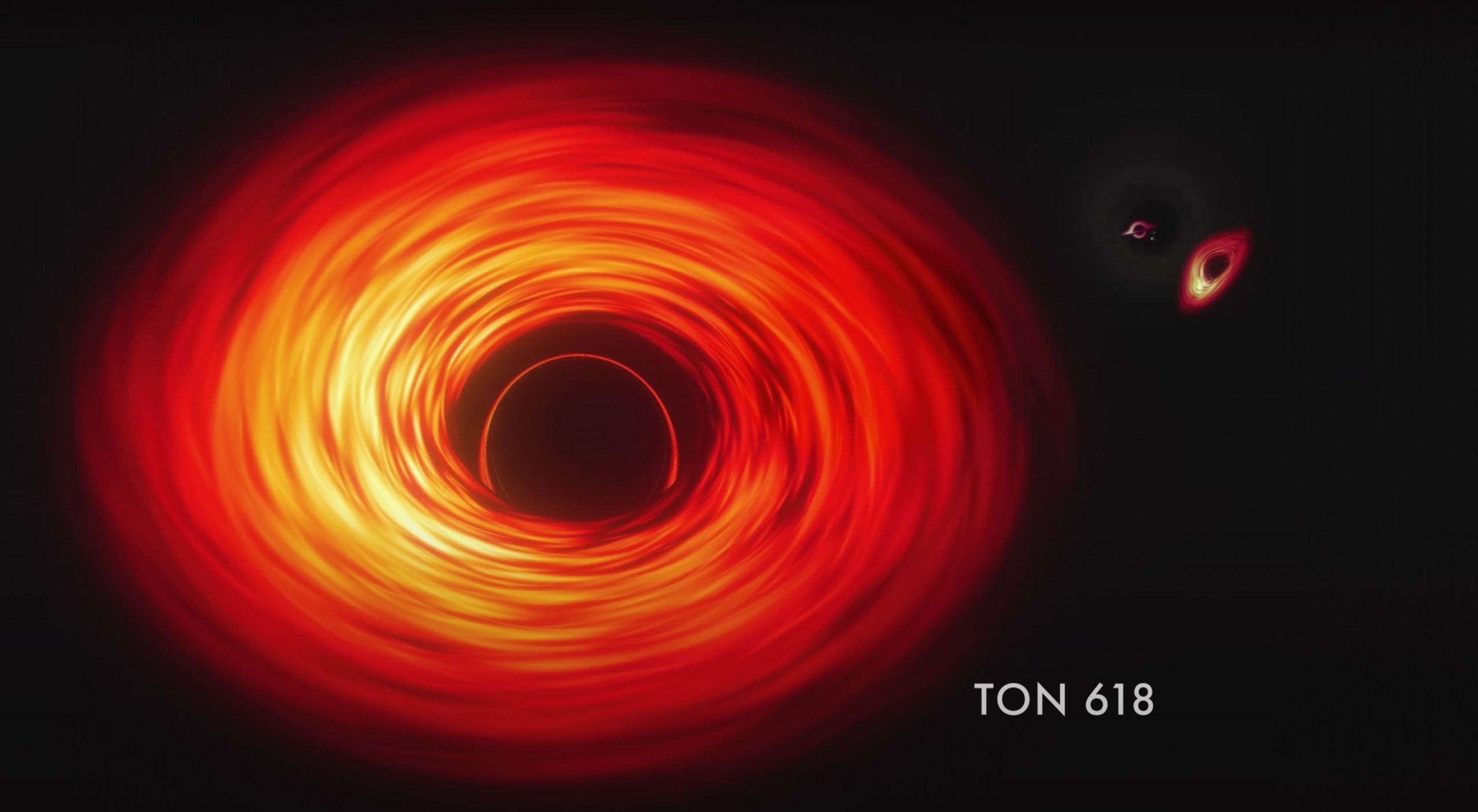
The **James Webb Space Telescope** has revealed a new origin story for the universe's first supermassive black holes. By looking back in time, scientists have b
Summary
The **James Webb Space Telescope** has revealed a new origin story for the universe's first supermassive black holes. By looking back in time, scientists have been able to piece together a **cosmic story** that sheds light on the formation of these massive black holes. This discovery has significant implications for our understanding of the universe, particularly in the context of **galaxy formation** and **dark matter**. The James Webb Space Telescope's advanced technology has allowed scientists to study the universe in unprecedented detail, providing new insights into the **early universe**. For more information on the James Webb Space Telescope, visit the [[james-webb-space-telescope|James Webb Space Telescope]] page. The study of **black holes** is a complex and fascinating field, with many scientists contributing to our understanding of these mysterious objects, including [[stephen-hawking|Stephen Hawking]].
Key Takeaways
- The James Webb Space Telescope has discovered the universe's first supermassive black holes
- The discovery was made possible by the telescope's advanced technology
- The exact mechanism of supermassive black hole formation is still unknown
- The discovery has significant implications for our understanding of the universe
- The study of the universe is a complex and fascinating field, with many scientists contributing to our understanding of the cosmos
Balanced Perspective
The discovery of the universe's first supermassive black holes is a significant finding in the field of **astrophysics**. While the discovery is certainly exciting, it is also important to consider the limitations of the **James Webb Space Telescope** and the potential for future discoveries. The telescope's advanced technology has allowed scientists to study the universe in unprecedented detail, but there is still much to be learned about the universe and its many mysteries. For more information on the limitations of the James Webb Space Telescope, visit the [[james-webb-space-telescope|James Webb Space Telescope]] page. The study of the universe is a complex and fascinating field, with many scientists contributing to our understanding of the cosmos, including [[albert-einstein|Albert Einstein]].
Optimistic View
The discovery of the universe's first supermassive black holes is a major breakthrough in the field of **astrophysics**. This discovery has the potential to revolutionize our understanding of the universe, and could lead to new insights into the formation of **galaxies** and **stars**. The **James Webb Space Telescope** has provided scientists with a unique opportunity to study the universe in unprecedented detail, and has the potential to make many more groundbreaking discoveries in the future. For more information on the potential of the James Webb Space Telescope, visit the [[james-webb-space-telescope|James Webb Space Telescope]] page. The study of the universe is a complex and fascinating field, with many scientists contributing to our understanding of the cosmos, including [[carl-sagan|Carl Sagan]].
Critical View
The discovery of the universe's first supermassive black holes is a reminder of how much we still do not know about the universe. While the **James Webb Space Telescope** has provided scientists with a unique opportunity to study the universe in unprecedented detail, there is still much to be learned about the universe and its many mysteries. The discovery of supermassive black holes raises more questions than it answers, and highlights the need for further research and study. For more information on the challenges of studying the universe, visit the [[the-universe|The Universe]] page. The study of the universe is a complex and fascinating field, with many scientists contributing to our understanding of the cosmos, including [[richard-dawkins|Richard Dawkins]].
Source
Originally reported by Space