
Summary
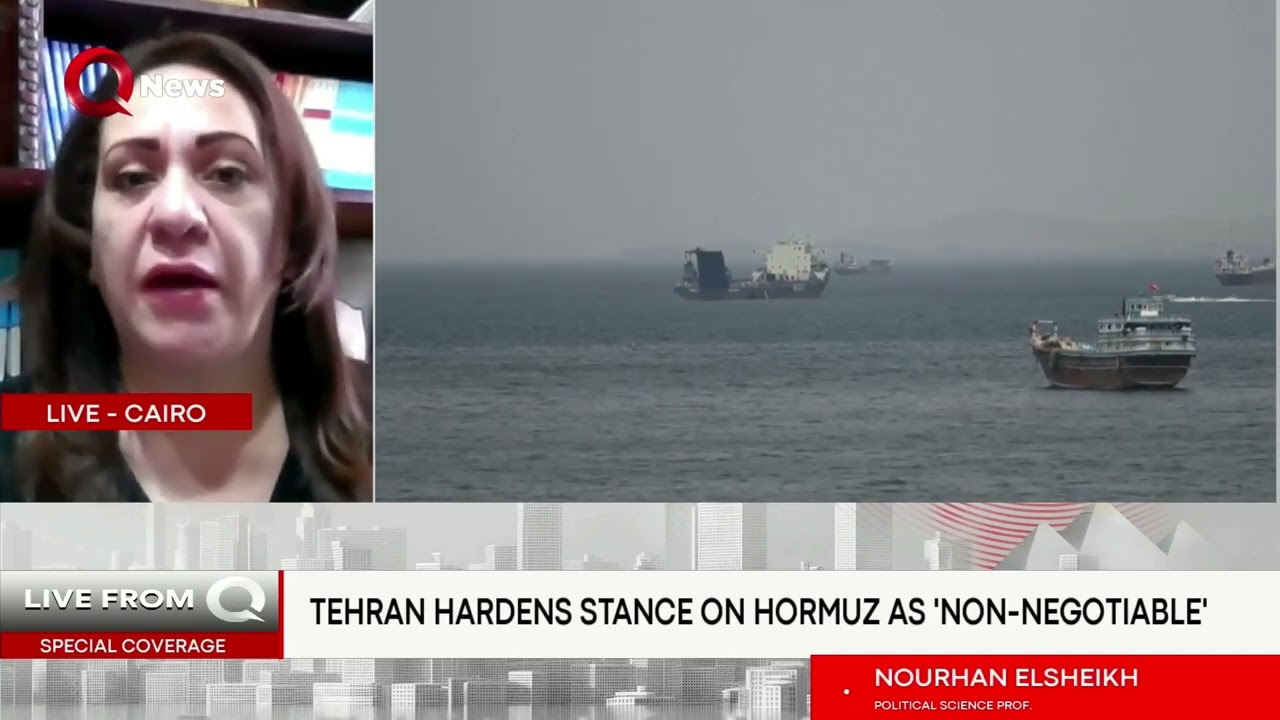
President **Donald Trump** has informed Congress that he does not require their authorization for ongoing military operations against **Iran**, asserting his constitutional authority as Commander in Chief. Trump cited a **ceasefire** that began on April 7, 2026, and has since been extended, claiming hostilities have terminated. This declaration, made via letters to House and Senate leadership, directly challenges the **War Powers Resolution of 1973**, which mandates congressional authorization after 60 days of military engagement. The U.S. military actions officially commenced on February 28, 2026, with Congress notified on March 2, initiating the 60-day countdown. Despite the declared ceasefire, the **Strait of Hormuz** remains blocked by Iran, and U.S. forces continue operations, including naval blockades and extensive aerial surveillance, underscoring the unresolved tensions. This move bypasses a formal vote on war authorization, a process that has historically been a point of contention between the executive and legislative branches.
Key Takeaways
- President Trump asserts unilateral authority for Iran operations, bypassing congressional authorization.
- The decision hinges on Trump's interpretation of a ceasefire as terminating 'hostilities' under the War Powers Resolution.
- U.S. military actions in Iran began February 28, 2026, with Congress notified March 2, 2026.
- The Strait of Hormuz remains blocked by Iran, indicating ongoing conflict despite the declared ceasefire.
- This move reignites long-standing debates about the balance of war powers between the President and Congress.
Balanced Perspective
President Trump's declaration represents a direct interpretation of his executive powers, specifically his role as Commander in Chief and his authority over foreign relations. The legal basis for this stance hinges on his assertion that the ceasefire effectively terminates the 'hostilities' that would trigger the 60-day clock under the **War Powers Resolution of 1973**. However, the continued U.S. military presence and ongoing operations, such as naval blockades, raise questions about whether 'hostilities' have truly ceased in a manner that negates the need for congressional oversight. The administration's notification date of March 2, 2026, is critical in determining the legal timeline.
Optimistic View
This move signals a decisive and pragmatic approach to foreign policy, allowing the President to act swiftly and effectively in a volatile region without being bogged down by partisan legislative processes. By leveraging the ceasefire as a de-escalation, Trump demonstrates a commitment to peace while maintaining the necessary military posture to deter further aggression. This assertion of executive authority ensures that the U.S. can respond dynamically to evolving threats in **Iran**, safeguarding national interests and projecting strength on the global stage.
Critical View
This unilateral declaration by President Trump represents a significant overreach of executive power, undermining the constitutional role of Congress in matters of war and peace. By unilaterally deciding that a ceasefire negates the need for authorization, he sidesteps a crucial check on presidential authority, potentially paving the way for unchecked military action. The continued presence of U.S. forces and ongoing operations, despite the declared ceasefire, suggests a semantic manipulation of the **War Powers Resolution** to avoid accountability. This sets a dangerous precedent for future engagements in **Iran** and beyond, eroding democratic oversight.
Source
Originally reported by NBC News